

Industrial painting is about more than slapping on a fresh coat of paint. It’s the first defence against the hammering of daily wear and tear in tough conditions. In factories, warehouses, and the like, top-notch coating systems do the heavy lifting. They create a protective barrier against moisture, chemicals, knocks and fires.
When companies take the time to invest in a commercial industrial painting job, they’re doing more than just give their buildings a face-lift. They’re extending the life of their structures and making their workplaces safer too. The right paint job does more than just look nice – it keeps corrosion, chemical damage, and fire hazards at bay. In the end, that means a safer, more compliant, and a longer-lasting facility.
This guide gives the lowdown on how industrial coatings go about protecting infrastructure and why you get what you pay for with a properly done job.
Protecting Infrastructure with Industrial Painting Coatings
Factories and the like are notorious for being hard on surfaces. Steel starts to rust the second moisture sets in and oxygen has a chance to get to it. Machinery starts to fall apart when chemicals get a hold of it. And concrete floors just get smashed by heavy traffic and the likes of oil spills.
Industrial protective coatings are like the first line of defence in all this.
High-performance systems shield metal and concrete from corrosion, chemicals and the elements. For example, epoxy coatings form a rock solid bond with steel and seal out water for good. Zinc-rich primers do the same for steel, corroding in place of the base metal so it doesn’t have a chance to cause any structural damage.
By getting the right system on beam, pipework, cladding and machinery, industrial painters can keep all these things ship-shape for years, even in pretty demanding conditions.
Why Corrosion Protection is Such a Big Deal
Corrosion is not just about how things look – it can make steel so weak it’s almost useless and cause all sorts of machinery to break down. And if you don’t do anything about it, it can go on to create all kinds of problems like sharp edges and structural issues and even equipment failure.
A properly applied coating system stops moisture and chemicals getting to the surface in the first place. That keeps steel strong and machinery reliable. And it also means you’ll have fewer costly repairs and all that lovely downtime you don’t need.
Industrial coatings also mean you can keep your place looking its best and have a professional finish. And with fewer repainting cycles, maintenance costs decrease with the years.

Tailored Protection for Different Industrial Assets
Every part of an industrial site needs something a bit special.
Industrial Floor Coatings
Concrete floors benefit from some seriously heavy duty resin systems. Epoxy and polyurethane coatings can take everything a forklift can throw at them, plus loads of chemical spills. And they stop liquids spreading through the concrete.
This all adds up to a longer lasting floor and fewer repair costs.
Hygienic Wall and Ceiling Coatings
Food and pharma places often require easy clean up and anti-microbial coatings. These coatings help keep everything squeaky clean and compliant.
Exterior and Steelwork Protection
Steelwork on the outside needs systems that can handle rain and sunlight. Places near the sea or chemical plants need special coatings to keep it safe.
Painting contractors choose coatings based on the environment, what the machine is used for, and compliance requirements.
Giving Your Employees an Extra Safety Layer
Industrial painting really is key to making sure your workplace is safe.
Intumescent Fireproofing
Intumescent coatings puff out when they get hot. They form a firebreak that keeps steel from getting damaged in a blaze.
These systems can give you up to 120 minutes of protection in a fire. Enough time to get everyone out safely.
A lot of the time, you need these systems to meet building regulations which demand passive fire protection for exposed steel. Intumescent coatings will see to it you meet these standards and your steel stays safe.
Anti-Slip Floor Coatings
Slipping and falling is still one of the biggest workplace hazards.
Industrial painters slap anti-slip coatings on floors, stairs and walkways to help keep everyone safe. Some textured epoxy systems work in wet or oily conditions. These coatings can save lives while keeping on going.
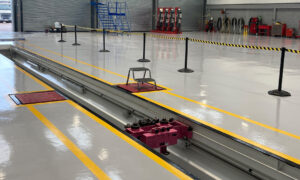
Industrial Floor Painting
Safety Markings
You need clear visual markings to keep everyone safe on a worksite.
Painted lines keep pedestrians separate from heavy machinery. Yellow and black warning signs make hazardous areas clear. Coloured pipework tells everyone what’s inside the pipes.
Unlike stickers or tape, painted safety markings can take a real hammering. They’re a big help with compliance and keeping everyone safe on the job.
The Right Painter Makes All the Difference
Good results come from more than just good materials – it comes from the right process.
1. Site Visit
Every painting project starts with a good hard look at what’s already there. The painter needs to take in what state the surfaces are in, any corrosion, contamination or environmental conditions. They’re also thinking about what temperature, humidity and other things the site might throw at them.
This site visit is what gives the painter the info they need to pick the right paint.
2. Getting the Surface Just Right
The next step is all about prep work.
Teams have to take off old paint, rust and all the other junk that might be on there. They need to make sure the surface is squeaky clean and free of any contaminants. A special primer might be needed to get things started.
If you don’t do this right, your paint job won’t last.
3. Tying the Paint on
Contractors use brushes, rollers or even airless spray to get the job done. They have to follow the paint manufacturer guidelines for how thick the job is and how long it needs to dry.
Experienced painters also keep an eye on site safety. There’s no point slapping on a beautiful new coat if it gets all covered in dust or you’ve got people falling over because of the mess.
This is all about getting a great finish that lasts and lasts.
4. Quality Control After doing the job
contractors will take a look and inspect the work to make sure it’s done right. They check to see if the coating thickness is where it should be, if the coverage is all right and if the job meets all the compliance requirements and if there are any bits that need a touch-up, they do that before actually handing it over to you.
They also take the time to give you some advice on how to maintain the job so it lasts as long as it should.
Long-Term Value of Industrial Painting
Industrial painting is more than just slapping a coat on a surface, it’s about protecting people’s lives, the company budget & the actual assets.
By stopping corrosion in its tracks you stop having to shell out for expensive repairs & downtime . you get fireproofing systems that actually save lives, and anti slip coatings that really do cut down on workplace accidents.
Over time it ends up paying for itself.
Getting a contractor who really knows what they are doing will mean the job gets done to the safety standards and does the job it is supposed to do. Intercity Contractors have over 25 years of experience in industrial coatings & our guys follow a strict process to ensure that we get the job done right, on time
We use the tried and tested methods, do our best to cause minimum disruption and make workplace safety our number one priority on every single job.
Industrial painting is the way to go if you want to get the most out of your assets, and make sure the place where you work is actually safe. From anti-corrosion epoxy paints to that bit of insulation on the underside of a roof, the right solution can literally make a huge difference.
When it gets done properly, industrial protective coatings can extend the life of your assets, make the workplace safer, and tick all the compliance boxes.
If you want to keep your place of work in good nick for years to come, professional industrial painting is a very sensible investment to make.