

Historic stone and brick facades, especially those on older buildings, call for a delicate approach. DOFF steam cleaning is a gentle yet highly effective method for restoring these exteriors. Unlike high-pressure jet washing, the DOFF system uses super-heated steam at low pressure to remove moss, algae and old paint without damaging the underlying surface – which just wouldn’t be a good look at all.
This makes it perfect for delicate materials like sandstone, limestone and terracotta. Conservation pros have trusted DOFF for years because it delivers top-notch cleaning results without harming the fabric of a historic building, it really is a game-changer.
What is DOFF Steam Cleaning?
DOFF is a specialist steam cleaning system designed for masonry and heritage buildings. Unlike, you know, your average steam cleaner, it produces super-heated water vapour at temperatures above 150°C while keeping the pressure low.
This combo creates the perfect balance – the heat loosens grime and biological growth, but the low pressure stops the surface from getting eroded. DOFF also applies steam evenly across the façade, cutting down on the risk of uneven cleaning or thermal shock.
In practice, the system works more like a controlled steam treatment than a pressure wash. Operators apply heat and moisture gradually, rather than blasting the surface with water jets or relying on harsh chemicals – which would just be too harsh.
Why Gentle Cleaning Matters for Heritage Stone
Many historic facades are on the fragile side. Decades, or even centuries, of weathering have left stone more porous and vulnerable than modern masonry. Aggressive cleaning methods can cause permanent damage – which would be a real shame.
Methods like sandblasting, grinding and high-pressure washing can:
- Strip away the outer surface of stone, and not in a good way
- Create micro-fractures and surface pitting
- Weaken mortar joints
- Remove the original patina and detailing – which is a major loss
Gentle cleaning methods avoid these risks altogether. DOFF doesn’t rely on abrasive impact or aggressive chemical reactions. Instead, it removes dirt and biological growth while keeping the stonework intact – which is exactly what we want.
Heritage pros often recommend DOFF because it preserves the original appearance and strength of conservation-grade materials. The goal is simple: restore the facade without altering the building’s historic character – which is just the way it should be.
How DOFF Cleans Without Causing Damage
The beauty of DOFF lies in its controlled combination of heat and low pressure. The steam gets into the surface pores and loosens deposits at a steady pace. Operators control pressure carefully to avoid disruption to the stone or mortar.
DOFF prevents damage in two key ways.
No Thermal Shock
Older masonry can crack if exposed to sudden temperature changes. DOFF applies heat gradually and evenly, which helps prevent thermal stress – just what we want.
No Abrasive Impact
DOFF doesn’t strike the surface with grit, high-pressure water, or mechanical scouring. It avoids the erosion that abrasive cleaning methods often cause.
Instead, the steam softens and lifts deposits like moss, algae, paint films and greasy residues. Operators can then remove the loosened material using gentle rinsing or light brushing – which is a whole lot easier.
Because DOFF uses just water, it also avoids the risk of chemical residues reacting with sensitive stone – which would be a real problem.
The Benefits of DOFF for Historic Buildings
Using DOFF on older facades offers several major advantages.
Safe on Delicate Materials
DOFF works well on sandstone, limestone, brick and terracotta without etching or pitting. This is a major deal on heritage sites where traditional power washing could erode surface layers – just by being too forceful.
 Restores the Original Appearance
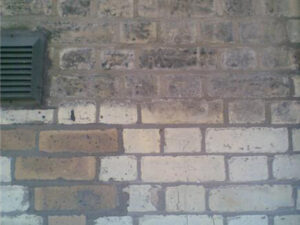
Pollution staining and biological growth can make historic stonework look tired and neglected. DOFF cleaning helps restore original colours and fine details by cleaning pores, joints and surface textures.
Unlike abrasive blasting, it doesn’t leave stone looking bleached or scarred – which would be a real shame.
No Chemicals and Environmentally Responsible
DOFF uses only water. It doesn’t require harsh detergents, acids or biocides. This supports sustainability goals and reduces risk to surrounding landscaping, waterways, and building materials – which is a win all round.
Fast Drying and Low Water Use
The high temperature encourages rapid evaporation. Surfaces dry faster than they would after conventional pressure washing. DOFF also uses far less water than jet washing, which reduces saturation risks – and that’s a good thing.
Versatile Cleaning Results
DOFF can remove a wide range of contaminants, including:
- Moss and algae
- Soot and atmospheric staining
- Old paint residues
- Bird droppings
- Chewing gum
- Graffiti and overspray
Because the steam gets into surface pores, it can lift embedded deposits rather than just removing superficial grime – which is just the ticket.
DOFF for Graffiti Removal on Historic Stone
DOFF is widely used for graffiti removal on heritage surfaces. Traditional graffiti removal often relies on strong solvents or abrasive blasting. Both approaches can damage historic stone and can even push pigments deeper into the substrate – which is a real problem.
DOFF offers a more controlled solution. The heat helps soften paint and residues, allowing operators to lift the contamination without aggressive scouring. When used correctly, DOFF can remove graffiti while leaving the stone surface unchanged – which is just what we want.
DOFF Compare
d to Traditional Cleaning Methods
Many older cleaning methods are just too aggressive for heritage stone and that can be really damaging. Particularly when it comes to porous masonry or aged mortar, you’re running a lot of risks.
DOFF vs Jet Washing
A standard pressure
washer is pretty much a recipe for disaster on heritage stone. These machines can crank out an incredible amount of force and can blast water deep into the masonry. The results can be:
- stripping away surface layers of the stone
- damaging the mortar joints
- creating damp issues down the line
- even causing salt migration within the stone
DOFF uses steam, but with only a couple of bars of pressure. And that’s enough to clean effectively without gouging the surface. One of the big benefits is that operators can clean old mortar without blowing it out, which makes DOFF a lot safer for listed buildings.
DOFF vs Sandblasting or Grit Blasting
Grit blasting physically shreds the surface of the stone. It might remove some staining, but in the process, it can also:
- soften the edges of the stone
- remove texture and texture details
- permanently erase fine features on carved stone
DOFF avoids that risk altogether – because it doesn’t rely on abrasion.
DOFF vs Chemical Cleaning
Some people swear by using acids, alkalis, or specialist detergents for façade cleaning. While it can be effective for removing stains, chemical cleaning can also:
- etch the surface of the stone
- leave residues in the pores and joints
- react unpredictably with different types of stone
DOFF avoids all of those chemical risks. The system uses heat and moisture to loosen deposits naturally, and then you can just brush or rinse off any remaining residue.
Reduced Risk of Over-Wetting
A big benefit of DOFF is that it doesn’t saturate the masonry like a water wash would. That helps to reduce the risk of:
- salt leaching
- freeze/thaw damage
- long drying periods
- damp migration into internal walls
To get the best results, operators need to adjust the settings for each building – including temperature, nozzle distance, and dwell time. And that’s why experience really matters.
Q: Can DOFF Damage Historic Stone or Brick?
A: Only if you use it incorrectly.
DOFF was designed to clean without damaging delicate surfaces – and when used properly by trained professionals, even fragile materials like carved terracotta can be preserved.
DOFF in Practice: Heritage Restoration Projects
Across the UK, DOFF is often the go-to method for listed building refurbishments. Conservation teams use it on Georgian and Victorian façades, historic civic buildings, and protected monuments.
The first step usually involves a site survey, where specialists assess the stone type, condition, contaminants, and any existing coatings. From there, they can design a cleaning approach that’s tailored to the building’s needs.
Intercity Contractors follows the same best practice process. Each project starts with a site assessment to confirm the right settings for temperature, pressure, and working distance. That way, the cleaning respects the heritage architecture and minimises any risk.
Intercity Contractors: Heritage Façade Specialists
Intercity Contractors brings more than 25 years of experience in surface preparation and specialist cleaning. That background means the team understands the sensitivities involved in listed properties and conservation-grade materials.
Intercity offers a full suite of façade support, from DOFF cleaning through to protective coatings and long-term surface care. The company takes a consultative approach – each building gets an individual assessment, and the team tailors the method to cause the least disruption.
For estate managers and conservation professionals, the message is pretty simple: DOFF steam cleaning delivers a clean, restored façade without compromising the integrity of historic stonework. Plus, it supports heritage compliance by preserving the original fabric of the building.
The Bottom Line
Maintaining a listed or historic façade is all about taking a light touch. DOFF steam cleaning does just that: it combines high heat with low impact to remove dirt, algae, pollution staining and old coatings while preserving the building’s original fabric.
Unlike harsh pressure washing or chemical treatments, DOFF is widely recommended for heritage sites because it cleans effectively without abrasion, over-wetting or surface loss.
By choosing DOFF, architects, estate managers and conservation professionals can protect valuable stonework for future generations. And with specialists like Intercity Contractors on the job, you can be confident the process will follow best practice and show respect for the building at every stage.